The Brahmaputra rarely behaves like a river drawn on a school map.
It divides, spreads and reforms around sandbanks and islands. Channels shift. Grass takes hold on newly exposed ground. Reeds thicken along the shallows. Strips of riverine forest appear, vanish and begin again farther downstream.
Beyond the floodplain are tea estates, villages, roads, railway lines and fragments of woodland.
And somewhere inside this enormous, changing landscape, elephants are moving.
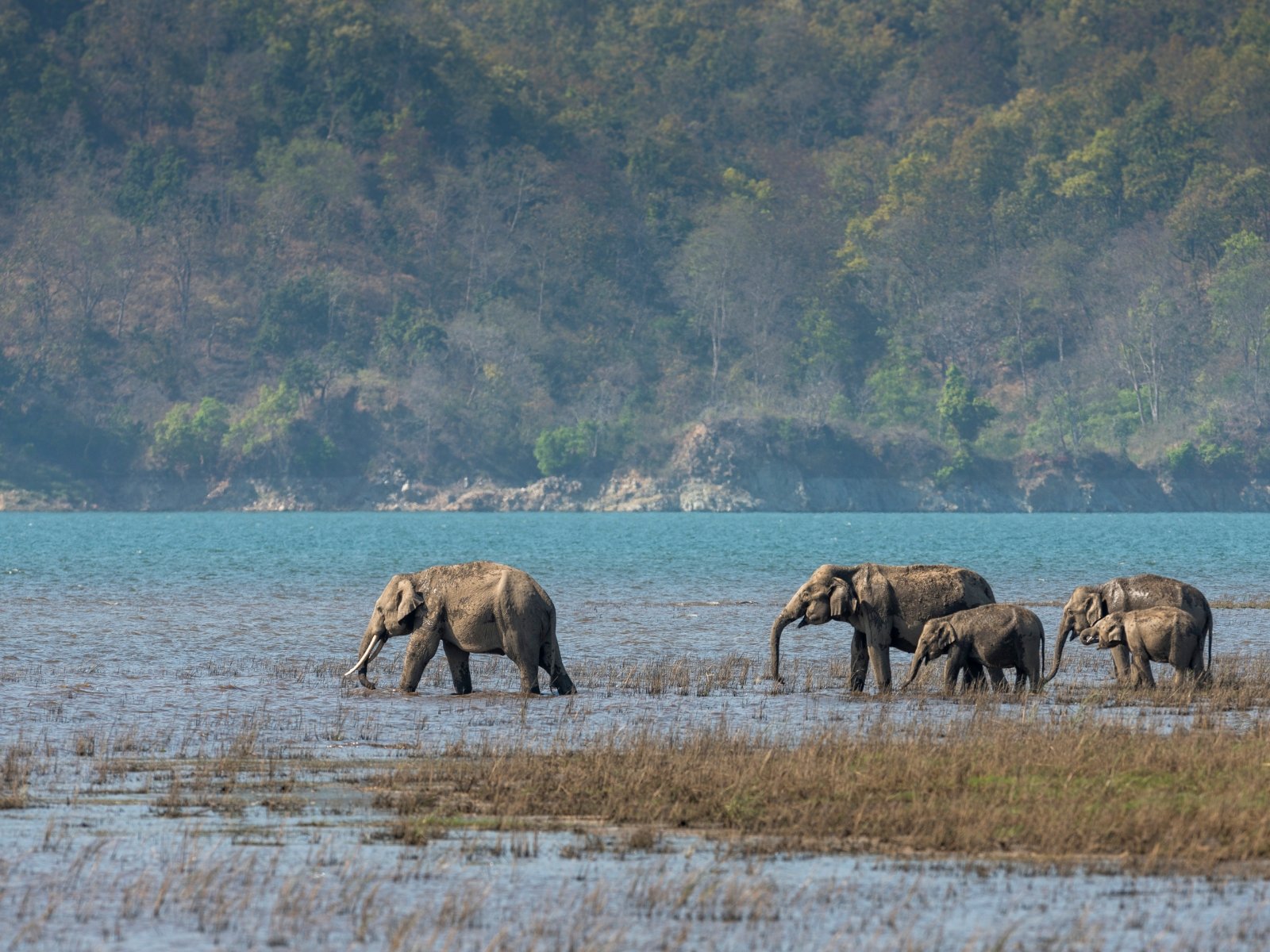
Imagine a herd reaching the river in the early morning. The adults come first. Calves stay tucked between larger bodies. One elephant feeds at the bank. Another steps into the shallows. For a few minutes, everything seems easy to understand.
Elephants need water. They have come to drink, you’d think.
Except the herd does not stay.
The matriarch continues downstream. Another adult pulls at the grass and follows. A calf tests the water with one foot before stepping in after them. Ten minutes later, the whole group is still moving.
And that is when the sighting becomes more interesting.
You are no longer simply watching elephants at a river. You are watching elephants use a river.
The crossing in front of you may represent only a few minutes of a journey that began kilometres away. Where they slept the night before is hidden from you. So is the route they will take after they disappear around the next bend.
What remains are clues: tracks pressed into wet sand, dung beneath riverine trees, trails dropping down the bank, grass flattened where animals have passed before.
One set of tracks tells us very little. Hundreds of repeated signs begin to tell us how a landscape is being used.
In 2026, researchers followed those signs across 819 stretches of river across 11 rivers in the Brahmaputra basin. They were asking a deceptively simple question.
Were elephants merely appearing beside rivers because they needed water?
Or was the river network itself helping them move through a landscape that humans had increasingly broken apart?
The answer was not that every river was an elephant corridor.
It was much more interesting than that.
More than half of the surveyed river stretches showed evidence of elephant use, and the animals were not using all of them equally.
When the forest breaks apart, the river may be what remains connected.
A Map Is Not an Elephant’s Landscape
Open a conservation map of India and everything looks remarkably organised. National parks have boundaries. Sanctuaries end at lines. Reserve forests are shaded one colour, farmland another.
The elephant sees none of this.
A herd may leave protected forest in the morning, cross a river, skirt a tea estate, feed through grassland and enter another patch of woodland before nightfall. To us, it has crossed several different categories of land. To the elephant, it has simply kept walking.
This is where our maps begin to mislead us.
Elephants need food, water, shade and space, but they also need ways to move between those things. Adult males can range widely. Herds shift with the seasons. A route that works in May may matter less in September, while another becomes suddenly important.
And if you spend time watching elephants, this movement becomes part of the fascination. The animal in front of you is never just standing in a place. It has arrived from somewhere, and in all likelihood it is going somewhere else.
So protecting where elephants live is only part of the story. We also have to pay attention to the landscape between those places.
Rivers are unusual because they often keep going when almost everything around them changes.
They pass through forests, farms, villages, plantations and towns. Even where the surrounding land has been heavily altered, the river and the vegetation beside it may remain one of the few long, connected structures left.
What the Researchers Were Really Looking For
The researchers were not simply asking, “Are elephants found near rivers?” That would tell us very little.
They wanted to know why some stretches seemed to matter more than others.
So they looked for the quiet evidence elephants leave behind and then compared it with the landscape around them. How large was the river? How wide? How much water did it carry? How close was it to grassland, protected forest or tea plantations? Were there roads or railway bridges nearby?
The study measured site use, so repeated signs along a river do not automatically prove that every stretch is a long-distance corridor.
But when hundreds of river stretches are examined together, footprints stop being isolated observations. They begin to form a pattern.
And that pattern told the researchers something important: the elephants were not using the river network at random.
More Than Half the River Stretches Were Being Used
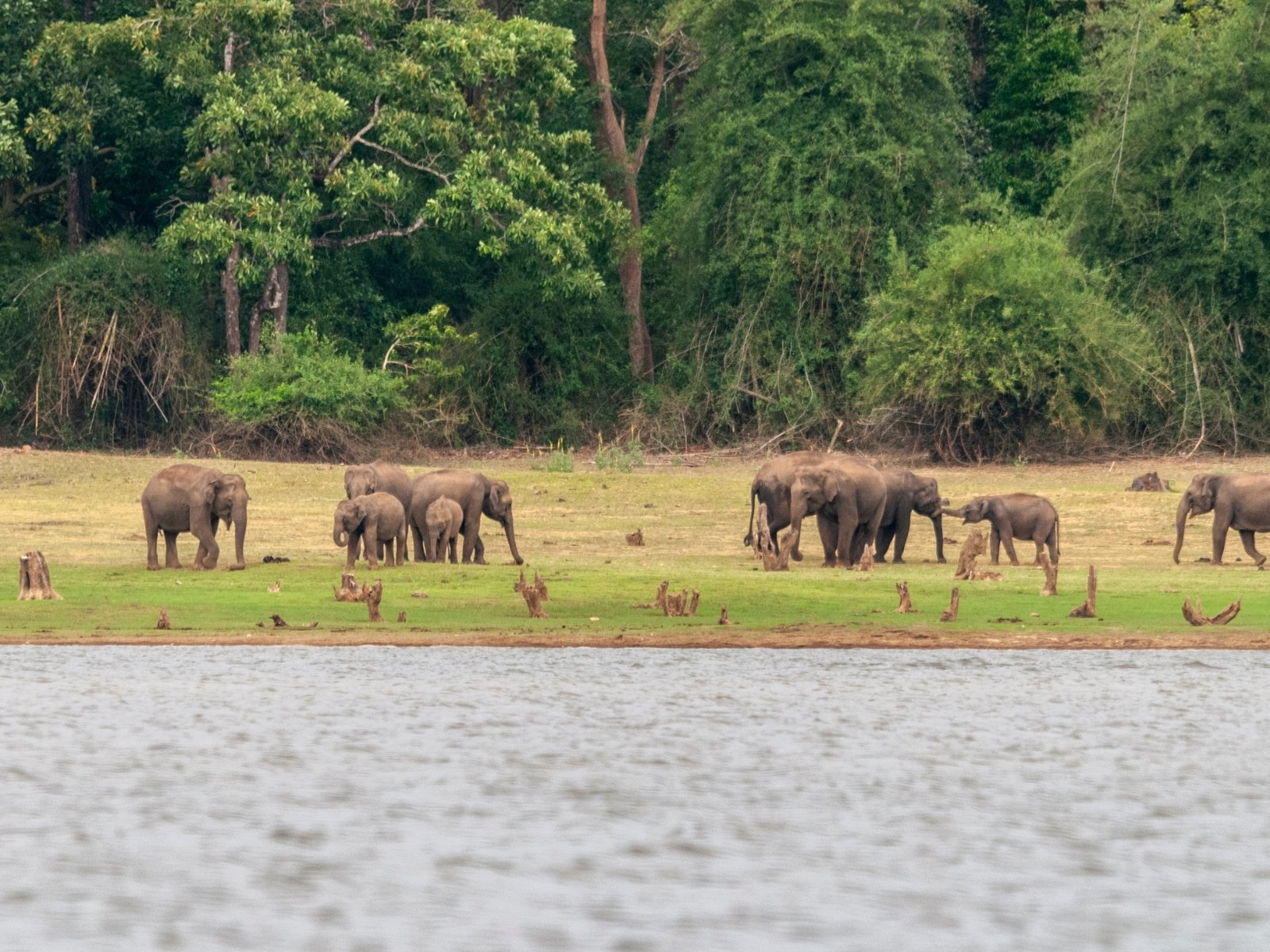
More than half of the surveyed river stretches showed signs of elephant use.
That is worth sitting with for a moment.
This was not one celebrated crossing point or one forest edge where elephants are known to appear. The signs were spread across a much larger river network.
And some stretches mattered more than others. Larger rivers, wider channels and sections carrying more water tended to show greater use. River stretches closer to grassland and protected areas also saw more elephant activity.
The value may not lie in any one feature.
It may lie in the way several features come together along the same stretch.
A river is not just somewhere an elephant arrives. It can also be something the elephant follows.
Watching a Herd Changes Once You Notice This
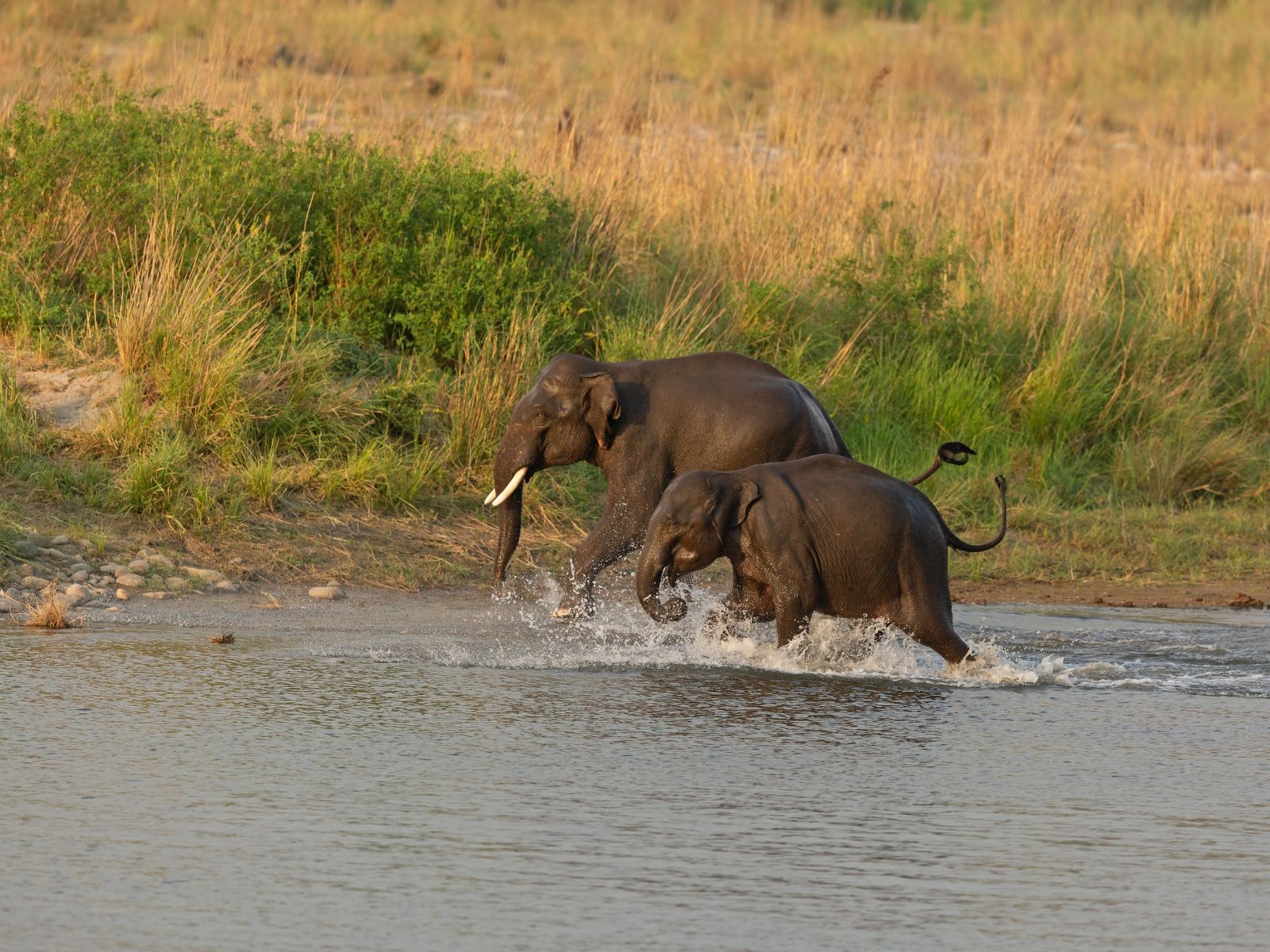
If you have watched elephants near water, you have probably done this yourself: seen the river, seen the herd and assumed the story was simply about drinking.
Sometimes it is.
But watch what happens after the first few minutes.
Does the herd stop at the water, or keep moving? Do they feed along the bank? Does one animal choose a particular crossing and the others follow? Do they travel parallel to the river rather than away from it?
That is when the sighting begins to change.
You are no longer watching elephants beside water. You are watching animals move through a landscape.
And this is one of the most rewarding things about elephant watching. The longer you stay with them, the less important the obvious action becomes. Drinking may take only minutes. What becomes fascinating is everything around it: who leads, who waits, where the calves place their feet, which bank the herd chooses, and what happens after they disappear from view.
Along the river there may be shade and forage. Floodplains may hold grass. Islands may offer feeding. Permanent water may remain after temporary pools elsewhere have vanished.
In fragmented country, the river valley may also provide something even more valuable: a route.
Seeing an elephant beside a river tells you where it is. Watching which way it leaves begins to tell you how the landscape works.
Tea Country
Follow the river farther and the landscape changes again.
The forest becomes more ordered. Rows of tea run across the slopes. Roads appear. Buildings appear. People move through the plantations.
Yet down beside the water, things are often less tidy. Grass grows along the bank. Trees remain. Vegetation follows the river.
And somewhere, perhaps after dark, an elephant passes through.
One of the more intriguing findings from the study was greater elephant use in some river stretches closer to tea plantations.
That does not mean elephants simply prefer tea estates.
It may mean something far more practical. In a landscape that has been reorganised around people, the river may retain something the surrounding land has lost: continuity.
A riverbank through tea country may still hold shade, vegetation and a route between forest fragments.
The elephant may not be choosing the plantation at all.
It may be choosing the line through it that still works.
The corridor may survive even when the habitat around it has changed.
Then Comes the Bridge
Follow the same river downstream and another structure appears.
A bridge.
Perhaps a road crosses overhead. Perhaps it carries a railway. The water continues beneath it, and forest may still remain on both sides.
Look at a map and nothing important seems to have been severed.
But an elephant does not cross a map.
It approaches traffic, headlights, concrete, vibration, people and noise. There may be fencing. There may be an embankment. There may be nowhere comfortable to pause before committing to the crossing.
And here the study found another pattern: elephant use tended to decline near road and railway bridges.
The research cannot tell us that one particular disturbance caused that decline. Traffic may matter. Noise may matter. Human activity may matter. Several pressures may act together.
But the implication is hard to ignore.
From above, the river is still connected.
From the elephant’s point of view, perhaps something has broken.
There are routes that disappear without ever vanishing from the map.
The Same River Is Not the Same River All Year
Come back to the same river after the monsoon and it can feel like a different country.
Water lies in depressions that were dry months earlier. Grass rises. Drainages begin to flow. Feeding opportunities are scattered across the landscape.
Now return in the dry season.
The temporary pools have vanished. Grass has browned. Dust hangs above the roads. Shade becomes more valuable, and permanent water begins to matter more.
The river has not moved.
Its importance may have.
Separate 2026 research from southern India also found seasonal shifts in elephant habitat use, with surface water becoming particularly important during drier conditions. It is a different landscape and a different study, but the lesson is familiar to anyone who watches wildlife over time.
There is no permanent version of a habitat.
Rain changes it. Heat changes it. Vegetation changes it. Water changes it.
And the animals change with it.
The elephant’s map changes even when ours remains exactly the same.
Corridors Do Not Always Look Like Forest
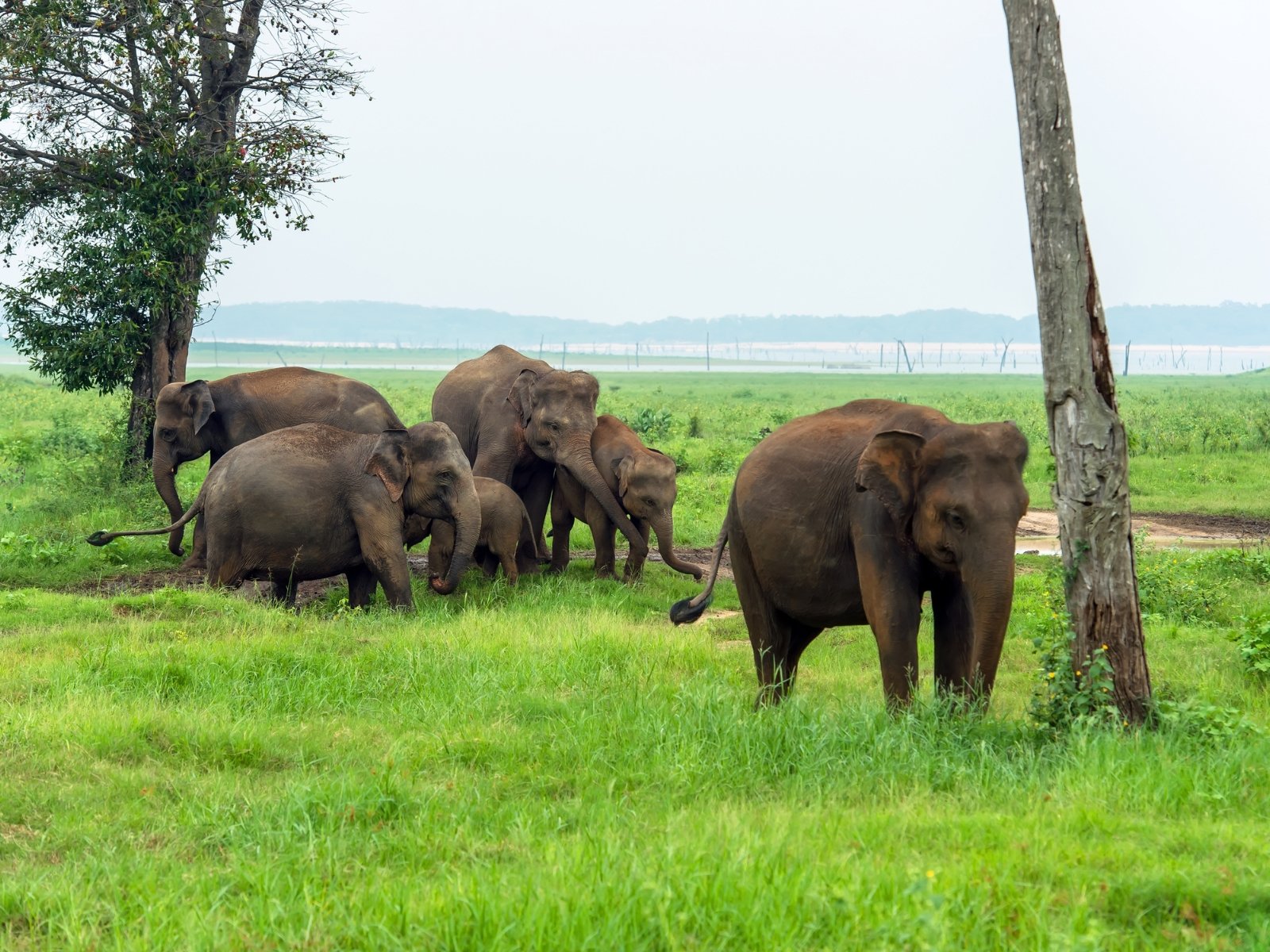
When we hear the words wildlife corridor, most of us picture forest.
Nature is usually less tidy.
An elephant corridor may be forest, riverine grass, a plantation edge, a drainage or a river system.
The connecting landscape does not have to look pristine.
It has to remain usable.
A scruffy strip of riverbank, a shallow channel between islands or a wooded drainage running beside tea may matter enormously.
Rivers are not a substitute for secure forest. Elephants still need large, safe habitats.
There Is More Than One Species in the River
Elephants make this story easy to notice because they are impossible to ignore.
But the river belongs to far more than elephants.
Fish move beneath the surface. Birds work the exposed banks. Reptiles bask near the water. Deer come to drink. Carnivores follow prey. Floodplains create grasslands, and riverine vegetation provides shade, shelter and nesting habitat.
Once you begin looking closely, a river stops being a strip of blue running through a map.
It becomes a moving ecosystem.
This is one of the lovely things about ecology. Follow one animal closely enough and eventually it leads you to everything else.
Protecting a river stretch because elephants use it may preserve feeding areas, crossing points, cover and movement routes for many other species too.
The elephant draws our attention because of its size.
The landscape holding it together is crowded with smaller lives.
What We Still Do Not Know
This is where the mystery needs a little discipline.
The Brahmaputra study covered one enormous but specific landscape. Elephants in central India, the Western Ghats or elsewhere in Asia may use rivers differently because terrain, rainfall, vegetation and human pressure are different.
The researchers also measured signs of elephant use. That does not mean every heavily used stretch has been proven to function as a long-distance corridor.
A herd may be there to drink. To feed. To rest. To cross.
Repeated use tells us that a place matters.
It does not always tell us exactly why.
The same caution applies to bridges. Lower use near them does not tell us which disturbance is responsible. Traffic, noise, embankments, lighting and human presence may overlap.
There is a temptation, once we see a pattern, to turn it immediately into a rule.
Wild animals rarely reward us for doing that.
We know enough to see the pattern. We do not know enough to pretend the mystery has disappeared.
One Crossing Is a Sighting. Repetition Is a Story.
An elephant crossing a river can make a wonderful photograph.
A herd using the same landscape again and again tells us something more important.
One set of footprints may be chance. Hundreds begin to describe a route.
Wildlife watching stops being a collection of sightings and becomes an attempt to understand what happened before you arrived — and what will continue after you leave.
Sometimes the most important places are the ones no tourist thinks to photograph.
When the Forest Breaks
Habitat fragmentation sounds abstract until you imagine it from the animal’s side.
A forest once stretches for kilometres. Then a farm appears. Another section becomes tea. A road is cut through it. A settlement grows. A railway arrives.
None of these necessarily stops an elephant overnight.
The animal keeps moving.
It begins threading a path through what remains: a strip of woodland, a drainage, a plantation edge, a grassland, a river.
And each time one of those options disappears, the remaining ones carry more of the journey.
This is why fragmentation is not simply about how much forest remains.
It is also about whether an elephant still has choices.
Can it turn? Can it cross? Can it avoid a settlement? Can it reach water without stepping onto a road? Can one surviving route still lead to another?
Those questions feel very different when you stop looking at the landscape from above and imagine walking through it on four feet.
Connectivity is the difference between an animal having choices and an animal slowly running out of them.
The River That Keeps Going
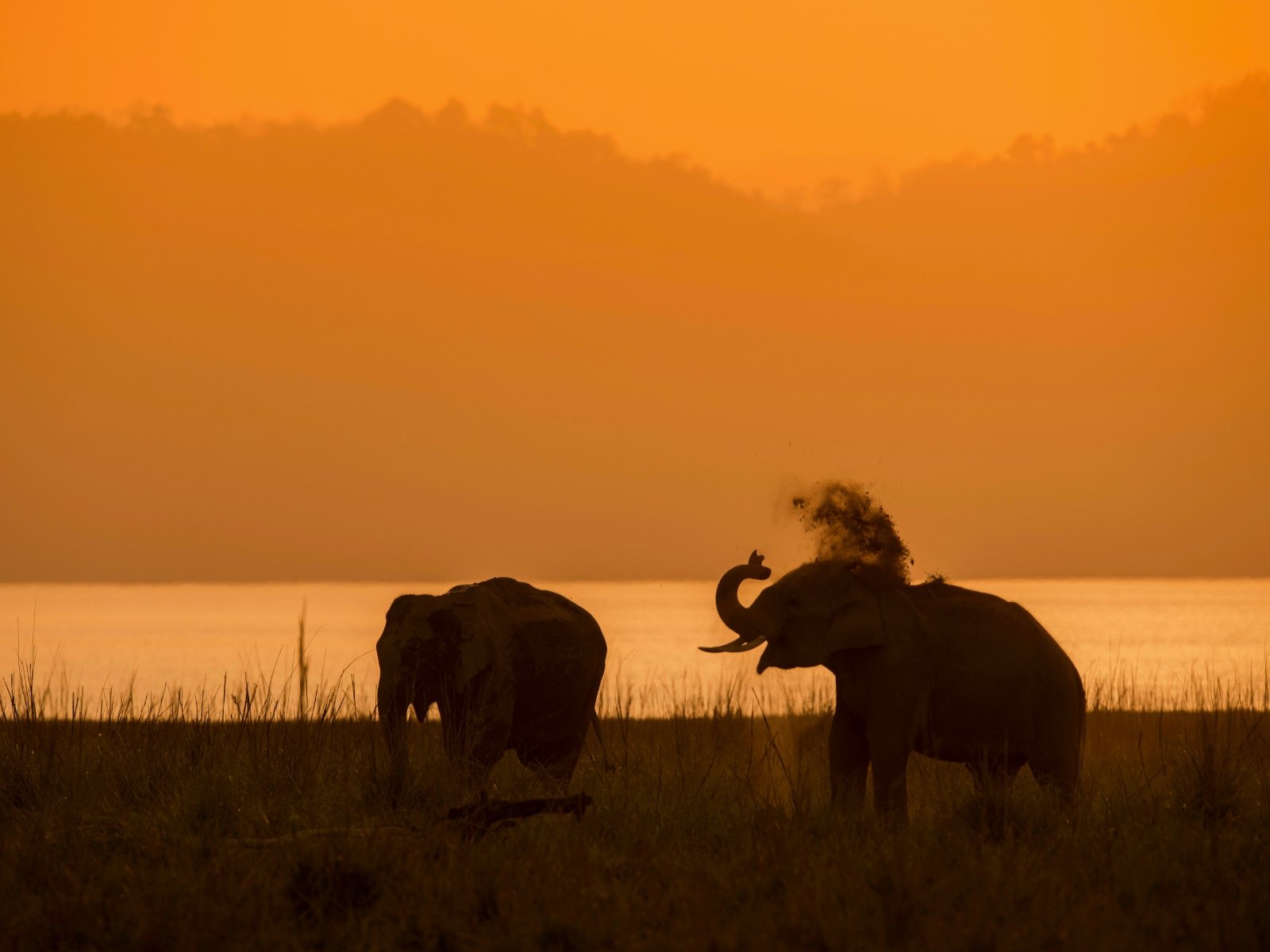
Late in the day, the light begins to soften.
The herd moves again. One animal steps away from the bank. Another follows. The calves disappear among the adults and, gradually, the whole group begins to move downstream.
For a while you can still see their backs above the grass.
Then one elephant disappears.
Then another.
Finally there is nothing on the bank except water, grass and the dark impressions of footprints in damp earth.
From where we are sitting, the sighting is over.
But the elephants are still moving.
Somewhere beyond the bend, the river passes another patch of forest. Another sandbank. Perhaps a tea estate. Perhaps a railway bridge. Perhaps, eventually, another protected area.
And the herd continues through a landscape far larger than the few minutes we were allowed to witness.
That is one of the most beautiful things about watching wild animals properly.
The longer you watch, the less complete the sighting becomes.
You notice more — and at the same time become more aware of everything you cannot see.
We tend to think of rivers as boundaries. One bank here, another there.
For an elephant, the river may be something entirely different: water, food, a crossing, a path through the landscape.
Perhaps, in some places, it is also a thread still holding together pieces of a world we have broken apart.
The elephants disappear.
The river carries on.
And somewhere beyond our view, so does the journey.