Morning comes softly in Sattal.
Mist can sit low between the trees while the first light reaches the oak canopy. A Great Barbet calls from somewhere above you, deep and carrying, while smaller birds move through leaves that are still too dark to read properly. Near a stream, the sound of water hides half the forest.
Then something shifts.
A woodpecker lands on a trunk. A Red-billed Blue Magpie crosses between trees. From dense cover comes the harsh, restless conversation of laughingthrushes.
Within minutes, the landscape has gone from stillness to movement.
That is Sattal.
Not one lake. Not one hide. Not one famous species.
It is a compact Himalayan landscape where water, oak forest, mixed woodland, streams, scrub and changing elevation sit close enough together for the birdlife to change repeatedly through a single morning.
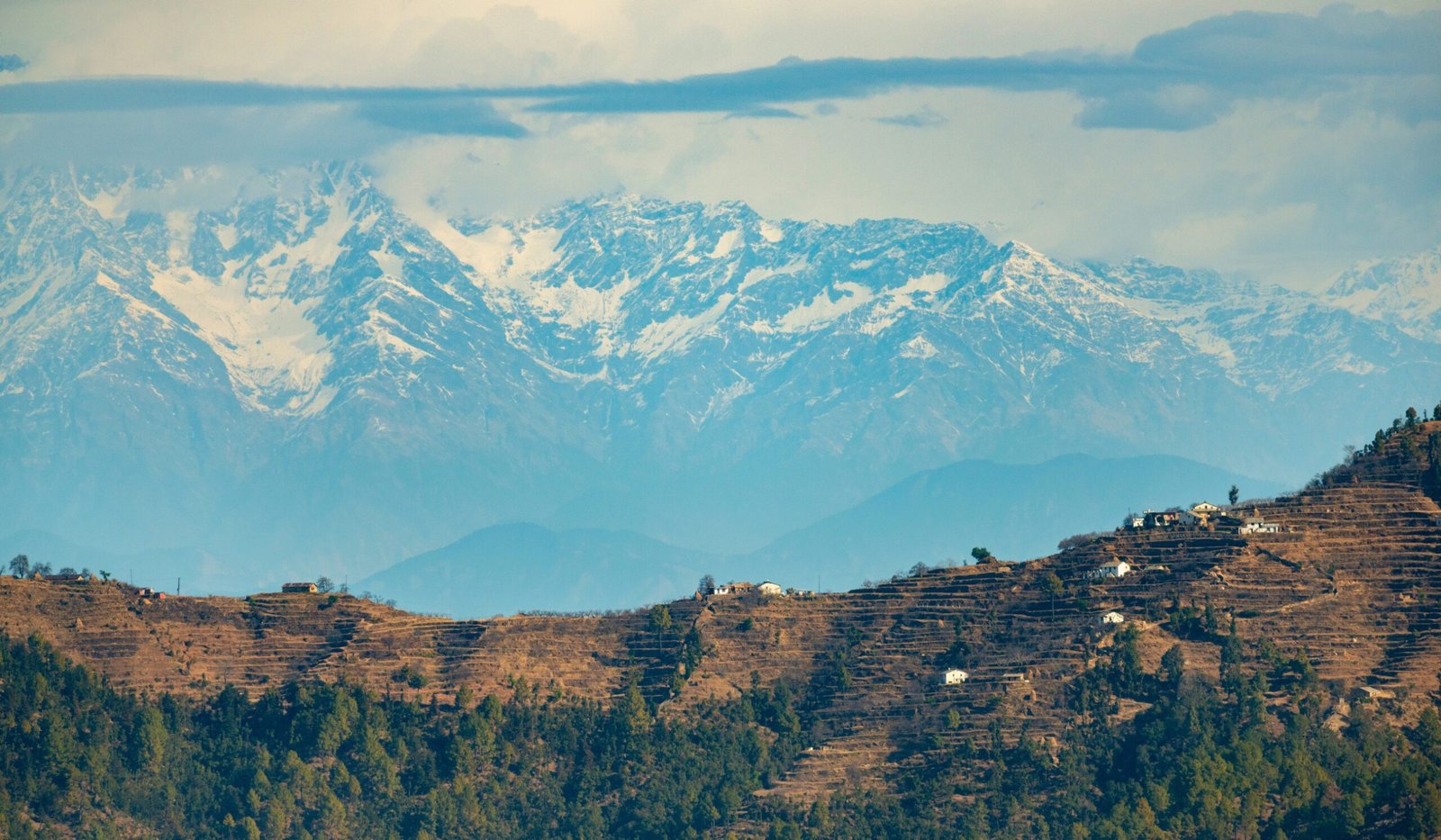
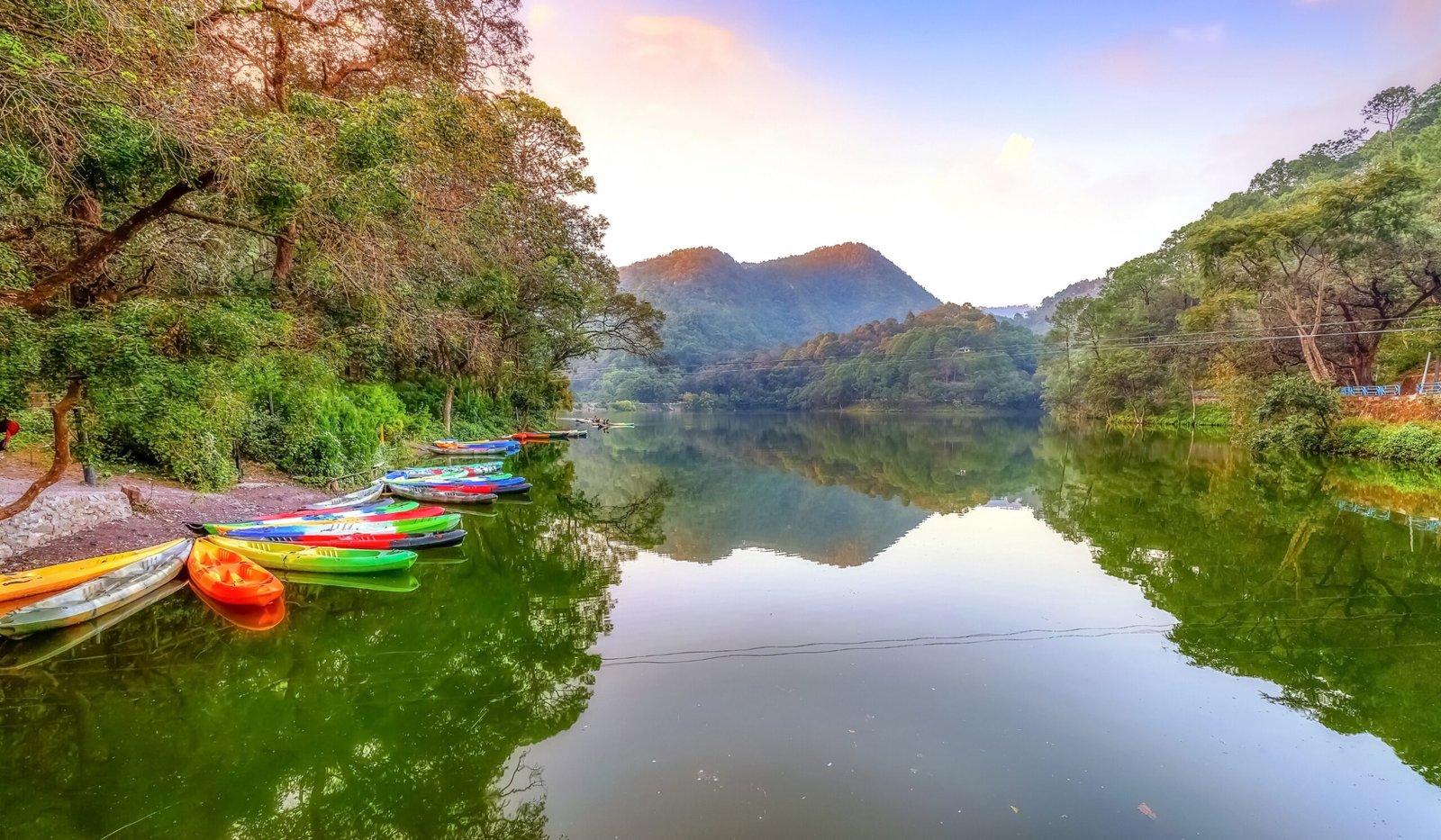
Sattal lies in the Kumaon foothills of Uttarakhand, near Bhimtal and south of Nainital. Its name comes from the group of interconnected lakes around which the settlement developed, but for birders the real richness lies in the habitats wrapped around them.
And that is where the day begins to get interesting.
Why Sattal Holds So Many Different Birds
The reason Sattal works so well for birding is not complicated. There are simply many different kinds of forest packed into a relatively small area.
One stretch may be dominated by oak and mixed woodland. A few hundred metres away, a shaded stream changes the vegetation completely. Forest edges open into scrub, exposed branches create flycatcher perches, and damp gullies hold birds that may never appear on a dry slope above.
The birds follow those differences. Woodpeckers and nuthatches work trunks and larger branches. Laughingthrushes and babblers often stay lower, moving through dense vegetation. Flycatchers use open perches, while riverine species remain tied closely to running water.
This is why walking matters here. You are not simply moving from one bird to another. You are moving from one habitat to another.
The Birds You Can Expect Around Sattal
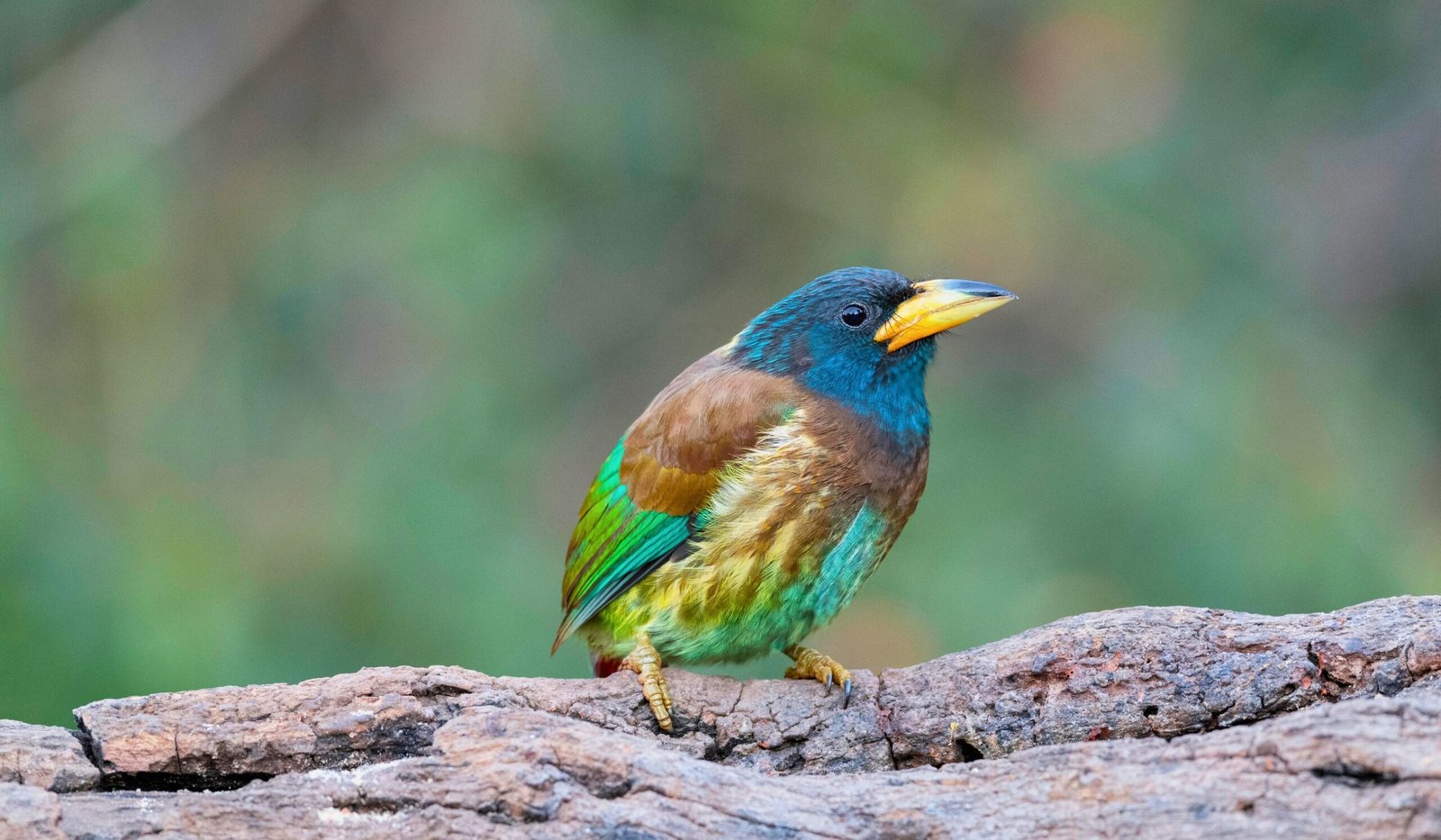
The species list can become very long very quickly.
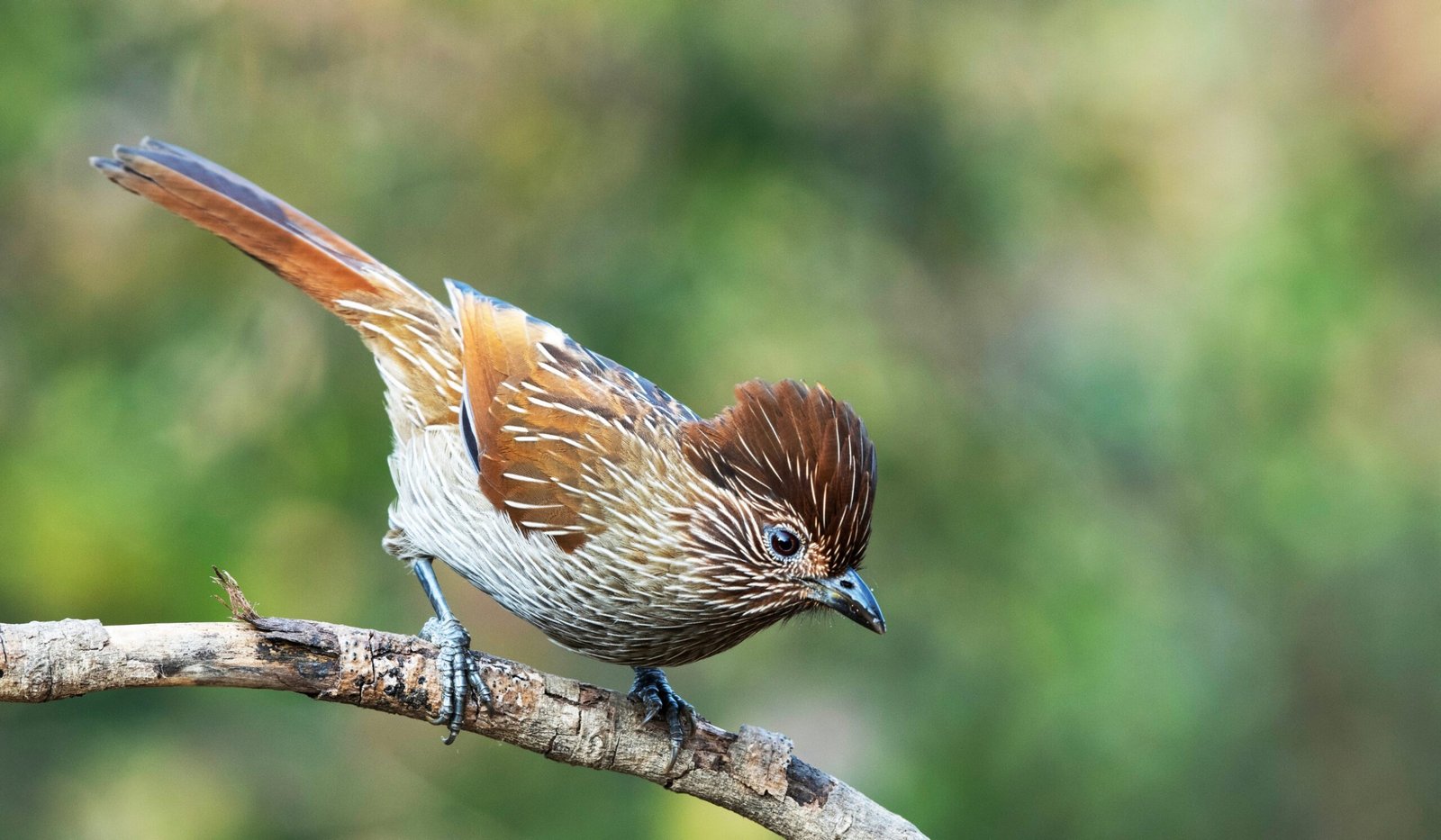
Recent winter birding around Sattal has produced Rufous-throated Partridge, Kalij Pheasant, Great Barbet, Brown-fronted and Grey-headed Woodpeckers, Greater Yellownape, Red-billed Blue Magpie, Red-billed Leiothrix, Rusty-cheeked Scimitar Babbler, White-crested Laughingthrush, Blue-winged Minla, Chestnut-bellied Nuthatch and Rufous-bellied Niltava, among many others.
Around streams and riverine stretches, the cast changes again. Spotted Forktail. Brown Dipper. Plumbeous Water Redstart. White-capped Redstart. Crested Kingfisher.
These are not simply additions to a checklist. They tell you that Sattal is not one birding habitat pretending to be many. It genuinely changes as you move through it.
A Greater Yellownape working a trunk in forest and a Spotted Forktail slipping along a shaded stream are both part of the same morning, yet they seem to belong to completely different worlds. That is one of Sattal’s great strengths.
Winter Brings Birds Down From the Mountains
For a first dedicated birding trip, winter is one of the most interesting times to consider. From roughly November through February, birds begin moving down from higher Himalayan elevations while other seasonal visitors enter the foothills. The result is an overlap between resident species and birds that may spend warmer months much higher in the mountains.
The forest does not announce this change. It simply begins containing birds that were not there a few weeks earlier.
Recent February and early-March birding in the wider Sattal–Pangot landscape has recorded species including Himalayan Bluetail, Rufous-breasted Accentor, Grey-crowned Goldfinch, Himalayan Rubythroat and Fire-tailed Sunbird alongside the resident forest community.
That seasonal descent is part of what makes Himalayan birding so dynamic. The mountains are never entirely still. Birds move through them with weather, food and altitude.
Winter also brings crisp mornings and cleaner light, which can be excellent for photography, although early starts can be properly cold.
Spring Changes the Forest Again
By March and April, Sattal begins to sound different. Birds become more vocal. Territorial behaviour increases. Courtship and nesting activity bring calls into parts of the day that may have felt much quieter in winter.
For somebody learning birding seriously, this can be a wonderfully revealing season.
A species that was difficult to locate by sight may now give away its position repeatedly through sound. Calls become maps. You hear a barbet and look high. A laughingthrush pushes your attention lower. A woodpecker call pulls you towards a trunk.
The landscape starts arranging itself through sound before the birds appear.
For a first trip, we would generally work within the broad October to June window, but the right month depends on whether you are chasing winter migrants, spring activity, photography conditions or a combination with higher-altitude birding.
The Streams Deserve Their Own Morning
One mistake would be to spend the entire trip in woodland and hides. The streams and riverine areas around the Sattal region offer something quite different. Fast water creates its own small world.
Brown Dippers work rapids and wet rocks. Spotted Forktails move along shaded margins. Plumbeous and White-capped Redstarts stay close to water, while kingfishers use open stretches differently again.
On recent 2026 birding trips around the wider Sattal area, Brown Dippers were observed nesting beneath overhanging rock around the Chaffi River, alongside Spotted Forktail, Crested Kingfisher and other river-associated birds.
That is a very different morning from searching woodland for pheasants or laughingthrushes. And that contrast is exactly why we would build time around multiple habitats rather than repeating the same hide session every day.
Hides or Trail Walks? They Show You Two Different Sattals
A hide can be extraordinarily productive.
You sit still, the birds begin to ignore your presence, and species that would otherwise remain deep in vegetation may come surprisingly close. For photographers, this can mean clean backgrounds, longer observation time and the chance to study plumage and behaviour in far more detail than a fleeting forest sighting would allow.
But a hide compresses the forest into one small stage. Everything happens in front of you.
A trail walk does the opposite.
You have to move through the landscape and work out where the birds are. A call from above pulls your eyes into the canopy. Movement in leaf litter takes you lower. A stream bend changes the entire set of species you are looking for.
On a trail, the forest keeps changing around you. That is why we would not choose one over the other.
For a first trip to Sattal, we would normally combine them. Use hides for close observation and photography. Use trails to understand the landscape.
The difference is important because the skills are different too. In a hide, patience matters most. On a trail, listening, habitat reading and slow movement become much more important.
A good birding itinerary should give you both experiences. Otherwise you risk leaving Sattal with excellent photographs but only a partial sense of the forest.
Bird Photography Needs Restraint
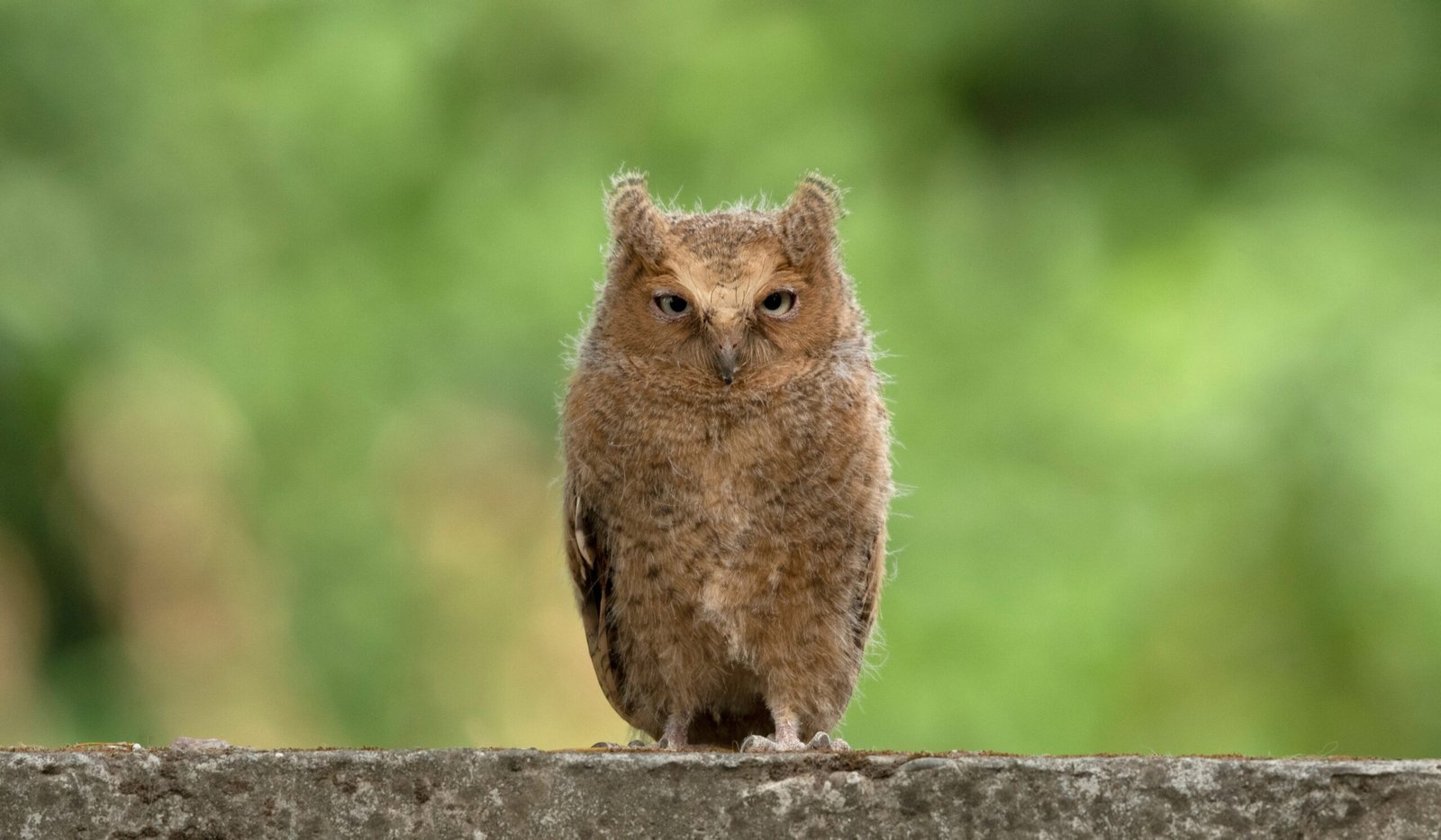
Sattal’s popularity with photographers also makes this worth saying clearly. The bird must come before the photograph.
Playback, crowding, pressure around nests and repeated disturbance can alter behaviour very quickly. A photograph may look completely natural while the encounter that produced it was anything but.
That is not the kind of wildlife experience we want to create. If a bird chooses to remain in cover, it remains in cover. If a nesting bird is showing signs of disturbance, we move away.
There will always be another photograph. There is only one breeding season for that bird.
How Long Should You Stay in Sattal?
For a dedicated first visit, we would normally suggest at least three nights.
That gives you two proper early mornings and enough time to divide your birding between woodland, stream habitat and perhaps one or two hide sessions.
Four nights is better if photography is important. If you also want to include Pangot or Chaffi, then four to five nights overall starts making much more sense.
Birding trips become weaker when they are overpacked. A productive patch may suddenly come alive after twenty quiet minutes. A flock can appear just as you are thinking of moving on. A difficult species may finally show itself on the third visit to the same habitat.
You need enough time for chance to have somewhere to work.
Should You Add Pangot?
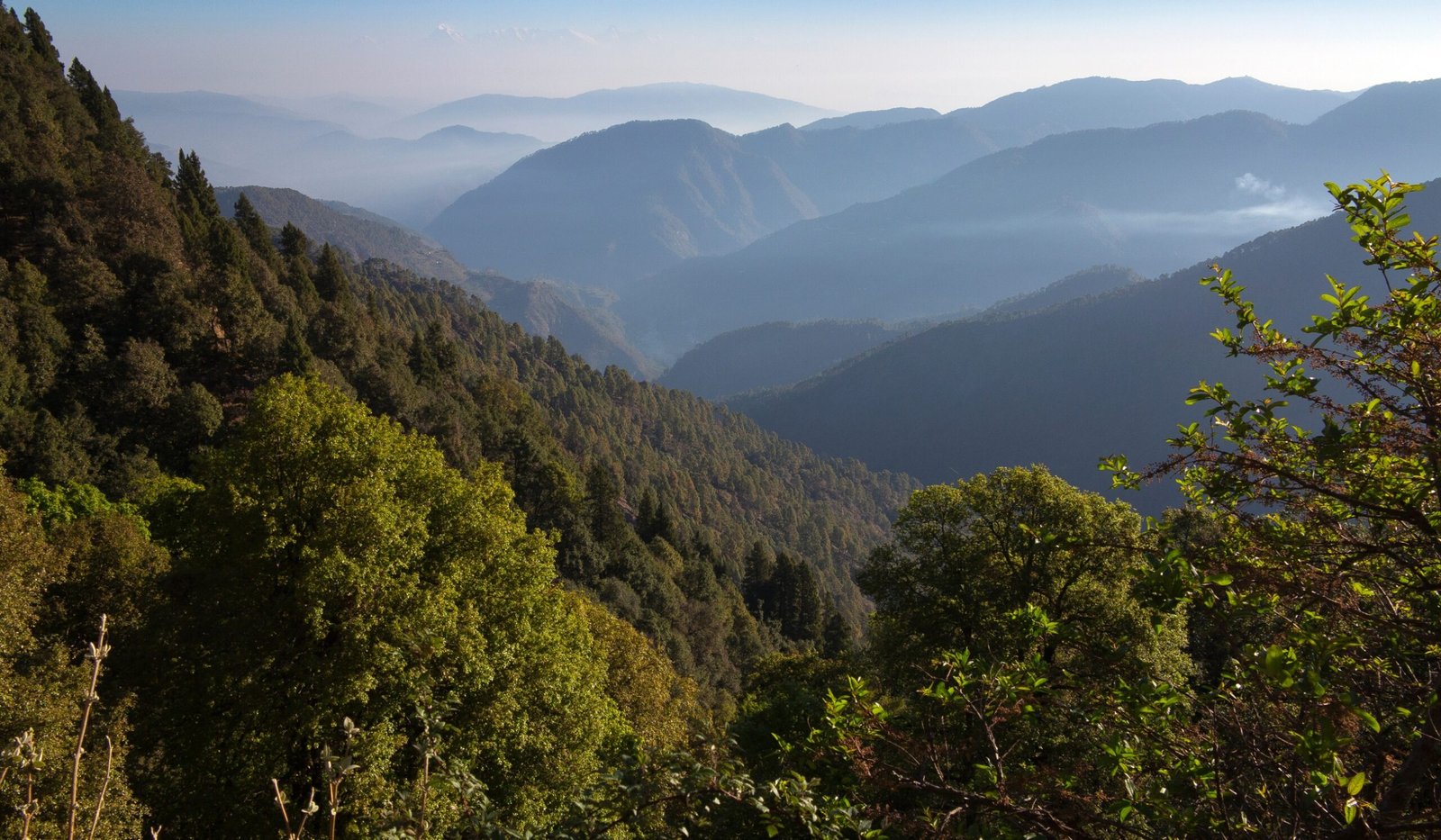
Yes, if the trip is long enough. Pangot sits higher in the Nainital landscape, and that change in elevation brings a different bird community into reach.
Recent birding around the higher Pangot area has included Koklass and Cheer Pheasant, Fire-tailed Sunbird, Altai Accentor, Himalayan Rubythroat and other species associated with colder and higher habitat. That makes the Sattal–Pangot combination especially good for somebody who wants to understand how quickly Himalayan birdlife changes with altitude.
But we would not cram both into a short trip.
Two mornings? Stay in Sattal. Four or five days? Then the climb to Pangot begins to add real value.
The point is not to collect destinations. It is to collect habitats.
And What About Chaffi?
Chaffi is worth considering because it adds riverine habitat rather than simply another forest walk. That distinction matters.
If you have already spent two mornings in woodland, a river session can completely change the pace of the trip and bring species into play that you may not encounter elsewhere. This is how we would think about adding any location around Sattal.
Not: “How many places can we fit in?” But: “What new habitat does this place give us?”
That question produces better birding itineraries.
Getting to Sattal
Kathgodam is the nearest major railhead, roughly 33 kilometres away, while Pantnagar Airport is around 60 kilometres from Sattal.
From the plains, the road climbs gradually into Kumaon. Warmer lowland vegetation gives way to cooler forest, Bhimtal slips behind you and the landscape begins to tighten around lakes and hills.
For travellers coming from Delhi, that relatively easy access is one of Sattal’s practical strengths. You can leave the city one day and be birding seriously the next morning without needing acclimatisation or the long approach required by higher Himalayan destinations.
That makes Sattal unusually easy to build into a short wildlife trip.
What Should You Carry?
Binoculars first. Even for photographers. A good pair of binoculars will teach you more about birds than constantly looking through a camera viewfinder.
A telephoto lens is obviously useful, particularly on trails, although hides can bring birds much closer than expected. A field guide or birding app helps once the smaller forest species begin blurring together.
In winter, carry layers. Mornings can be cold and afternoons considerably warmer. Good walking shoes matter because the best birding often requires leaving the road behind.
Beyond that, keep the kit simple. The lighter you travel, the more willing you are to follow the birds.
A Good Local Naturalist Changes the Trip
For somebody new to Himalayan birding, we would strongly recommend birding with a good local naturalist.
Not simply because they know the names. The real skill lies in interpretation.
They know which call deserves attention. They recognise when a mixed flock is approaching. They understand which species favour which layer of the forest. They know when a patch that looks empty is worth waiting beside and when it is time to move on.
That judgement can save hours. More importantly, it teaches you how to bird the landscape rather than simply follow someone who points things out.
By the end of a good morning, you should be noticing more yourself. That is the difference.
What Sattal Leaves You With
The temptation with a place like Sattal is to measure it with numbers.
How many species? How many lifers? How many photographs?
Those numbers are useful. But they are not what tends to remain in memory.
What remains is often smaller.
A Spotted Forktail stepping onto a wet rock. A woodpecker disappearing around the far side of a trunk every time you lift the camera. A laughingthrush finally breaking cover after you have listened to it for ten minutes.
Or a winter morning when one patch of oak forest seems to fill, almost suddenly, with movement from several directions at once.
Sattal does not need one spectacular moment to justify the journey. Its magic lies in accumulation.
Call by call. Branch by branch.
A landscape slowly revealing how much life it had been holding all along.